#fad256 Color Information
In a RGB color space, hex #fad256 is composed of 98% red, 82.4% green and 33.7% blue. Whereas in a CMYK color space, it is composed of 0% cyan, 16% magenta, 65.6% yellow and 2% black. It has a hue angle of 45.4 degrees, a saturation of 94.3% and a lightness of 65.9%. #fad256 color hex could be obtained by blending #ffffac with #f5a500. Closest websafe color is: #ffcc66.
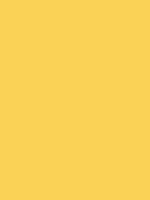
● #fad256 color description : Soft yellow.
#fad256 Color Conversion
The hexadecimal color #fad256 has RGB values of R:250, G:210, B:86 and CMYK values of C:0, M:0.16, Y:0.66, K:0.02. Its decimal value is 16437846.
| Hex triplet | fad256 | #fad256 |
|---|---|---|
| RGB Decimal | 250, 210, 86 | rgb(250,210,86) |
| RGB Percent | 98, 82.4, 33.7 | rgb(98%,82.4%,33.7%) |
| CMYK | 0, 16, 66, 2 | |
| HSL | 45.4°, 94.3, 65.9 | hsl(45.4,94.3%,65.9%) |
| HSV (or HSB) | 45.4°, 65.6, 98 | |
| Web Safe | ffcc66 | #ffcc66 |
| CIE-LAB | 85.55, 0.874, 64.564 |
|---|---|
| XYZ | 64.151, 67.092, 18.375 |
| xyY | 0.429, 0.448, 67.092 |
| CIE-LCH | 85.55, 64.57, 89.224 |
| CIE-LUV | 85.55, 33.5, 75.723 |
| Hunter-Lab | 81.909, -3.541, 44.036 |
| Binary | 11111010, 11010010, 01010110 |
Color Schemes with #fad256
Alternatives to #fad256
Below, you can see some colors close to #fad256. Having a set of related colors can be useful if you need an inspirational alternative to your original color choice.
#fad256 Preview
This text has a font color of #fad256.
<span style="color:#fad256;">Text here</span>This paragraph has a background color of #fad256.
<p style="background-color:#fad256;">Content here</p>This element has a border color of #fad256.
<div style="border:1px solid #fad256;">Content here</div>.text {color:#fad256;}.background {background-color:#fad256;}.border {border:1px solid #fad256;}Shades and Tints of #fad256
A shade is achieved by adding black to any pure hue, while a tint is created by mixing white to any pure color. In this example, #020200 is the darkest color, while #fffbee is the lightest one.
-
#020200
#020200rgb(2,2,0) -
#161001
#161001rgb(22,16,1) -
#291f01
#291f01rgb(41,31,1) -
#3c2e02
#3c2e02rgb(60,46,2) -
#4f3c02
#4f3c02rgb(79,60,2) -
#624b03
#624b03rgb(98,75,3) -
#755903
#755903rgb(117,89,3) -
#886804
#886804rgb(136,104,4) -
#9b7605
#9b7605rgb(155,118,5) -
#ae8505
#ae8505rgb(174,133,5) -
#c19306
#c19306rgb(193,147,6) -
#d4a206
#d4a206rgb(212,162,6) -
#e7b007
#e7b007rgb(231,176,7)
-
#f8be0a
#f8be0argb(248,190,10) -
#f8c31d
#f8c31drgb(248,195,29) -
#f9c830
#f9c830rgb(249,200,48) -
#f9cd43
#f9cd43rgb(249,205,67) -
#fad256
#fad256rgb(250,210,86) -
#fbd769
#fbd769rgb(251,215,105) -
#fbdc7c
#fbdc7crgb(251,220,124) -
#fce18f
#fce18frgb(252,225,143) -
#fce6a2
#fce6a2rgb(252,230,162) -
#fdebb5
#fdebb5rgb(253,235,181) -
#fdf0c8
#fdf0c8rgb(253,240,200) -
#fef6db
#fef6dbrgb(254,246,219) -
#fffbee
#fffbeergb(255,251,238)
Tones of #fad256
A tone is produced by adding gray to any pure hue. In this case, #aaa9a6 is the less saturated color, while #fad256 is the most saturated one.
-
#aaa9a6
#aaa9a6rgb(170,169,166) -
#b0aca0
#b0aca0rgb(176,172,160) -
#b7b099
#b7b099rgb(183,176,153) -
#beb392
#beb392rgb(190,179,146) -
#c4b78c
#c4b78crgb(196,183,140) -
#cbba85
#cbba85rgb(203,186,133) -
#d2bd7e
#d2bd7ergb(210,189,126) -
#d9c177
#d9c177rgb(217,193,119) -
#dfc471
#dfc471rgb(223,196,113) -
#e6c86a
#e6c86argb(230,200,106) -
#edcb63
#edcb63rgb(237,203,99) -
#f3cf5d
#f3cf5drgb(243,207,93) -
#fad256
#fad256rgb(250,210,86)
Color Blindness Simulator
Below, you can see how #fad256 is perceived by people affected by a color vision deficiency. This can be useful if you need to ensure your color combinations are accessible to color-blind users.