#1d1888 Color Information
In a RGB color space, hex #1d1888 is composed of 11.4% red, 9.4% green and 53.3% blue. Whereas in a CMYK color space, it is composed of 78.7% cyan, 82.4% magenta, 0% yellow and 46.7% black. It has a hue angle of 242.7 degrees, a saturation of 70% and a lightness of 31.4%. #1d1888 color hex could be obtained by blending #3a30ff with #000011. Closest websafe color is: #330099.
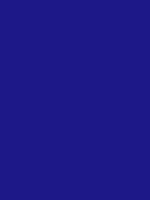
● #1d1888 color description : Dark blue.
#1d1888 Color Conversion
The hexadecimal color #1d1888 has RGB values of R:29, G:24, B:136 and CMYK values of C:0.79, M:0.82, Y:0, K:0.47. Its decimal value is 1906824.
| Hex triplet | 1d1888 | #1d1888 |
|---|---|---|
| RGB Decimal | 29, 24, 136 | rgb(29,24,136) |
| RGB Percent | 11.4, 9.4, 53.3 | rgb(11.4%,9.4%,53.3%) |
| CMYK | 79, 82, 0, 47 | |
| HSL | 242.7°, 70, 31.4 | hsl(242.7,70%,31.4%) |
| HSV (or HSB) | 242.7°, 82.4, 53.3 | |
| Web Safe | 330099 | #330099 |
| CIE-LAB | 18.764, 40.891, -60.085 |
|---|---|
| XYZ | 5.276, 2.692, 23.533 |
| xyY | 0.168, 0.085, 2.692 |
| CIE-LCH | 18.764, 72.679, 304.237 |
| CIE-LUV | 18.764, -3.973, -63.41 |
| Hunter-Lab | 16.406, 28.695, -73.558 |
| Binary | 00011101, 00011000, 10001000 |
Color Schemes with #1d1888
Alternatives to #1d1888
Below, you can see some colors close to #1d1888. Having a set of related colors can be useful if you need an inspirational alternative to your original color choice.
#1d1888 Preview
This text has a font color of #1d1888.
<span style="color:#1d1888;">Text here</span>This paragraph has a background color of #1d1888.
<p style="background-color:#1d1888;">Content here</p>This element has a border color of #1d1888.
<div style="border:1px solid #1d1888;">Content here</div>.text {color:#1d1888;}.background {background-color:#1d1888;}.border {border:1px solid #1d1888;}Shades and Tints of #1d1888
A shade is achieved by adding black to any pure hue, while a tint is created by mixing white to any pure color. In this example, #010003 is the darkest color, while #f1f1fd is the lightest one.
-
#010003
#010003rgb(1,0,3) -
#040313
#040313rgb(4,3,19) -
#080624
#080624rgb(8,6,36) -
#0b0935
#0b0935rgb(11,9,53) -
#0f0c45
#0f0c45rgb(15,12,69) -
#120f56
#120f56rgb(18,15,86) -
#161267
#161267rgb(22,18,103) -
#191577
#191577rgb(25,21,119) -
#1d1888
#1d1888rgb(29,24,136) -
#211b99
#211b99rgb(33,27,153) -
#241ea9
#241ea9rgb(36,30,169) -
#2821ba
#2821bargb(40,33,186) -
#2b24cb
#2b24cbrgb(43,36,203)
-
#3129d9
#3129d9rgb(49,41,217) -
#413adc
#413adcrgb(65,58,220) -
#514adf
#514adfrgb(81,74,223) -
#615be2
#615be2rgb(97,91,226) -
#716ce5
#716ce5rgb(113,108,229) -
#817ce8
#817ce8rgb(129,124,232) -
#918deb
#918debrgb(145,141,235) -
#a19eee
#a19eeergb(161,158,238) -
#b1aef1
#b1aef1rgb(177,174,241) -
#c1bff4
#c1bff4rgb(193,191,244) -
#d1d0f7
#d1d0f7rgb(209,208,247) -
#e1e0fa
#e1e0fargb(225,224,250) -
#f1f1fd
#f1f1fdrgb(241,241,253)
Tones of #1d1888
A tone is produced by adding gray to any pure hue. In this case, #4f4f51 is the less saturated color, while #0c069a is the most saturated one.
-
#4f4f51
#4f4f51rgb(79,79,81) -
#4a4957
#4a4957rgb(74,73,87) -
#44435d
#44435drgb(68,67,93) -
#3f3d63
#3f3d63rgb(63,61,99) -
#393769
#393769rgb(57,55,105) -
#33316f
#33316frgb(51,49,111) -
#2e2a76
#2e2a76rgb(46,42,118) -
#28247c
#28247crgb(40,36,124) -
#231e82
#231e82rgb(35,30,130) -
#1d1888
#1d1888rgb(29,24,136) -
#17128e
#17128ergb(23,18,142) -
#120c94
#120c94rgb(18,12,148) -
#0c069a
#0c069argb(12,6,154)
Color Blindness Simulator
Below, you can see how #1d1888 is perceived by people affected by a color vision deficiency. This can be useful if you need to ensure your color combinations are accessible to color-blind users.